Play'n GO Bonus Buy Volatility and the Book of Dead Bonus Buy Room Reality
Play'n GO bonus buy volatility is not a marketing buzzword—it is a hard-coded mathematical contract baked into every spin you purchase, and most players never read the fine print before they torch their balance. The Book of Dead bonus buy room is where this contract gets exposed in the most brutal way possible, because you are paying a fixed premium to skip the grind and jump straight into the free spins round. I have audited enough of these rooms to tell you that the variance profile here is savage, deliberate, and completely unforgiving to anyone who treats a bonus buy like a guaranteed payout button. 🎰
The True Cost of Skipping the Grind
Let me be blunt. When you trigger the buy feature in Book of Dead, you are paying roughly 100x your stake to enter a ten-spin expanding symbol round with a theoretical return that hovers around 94 to 96 percent depending on the room operator's configuration. That sounds reasonable until you understand what Play'n GO Bonus Buy Volatility actually means at the algorithm level. The game does not soften the variance because you paid for entry. The expanding symbol mechanic is still governed by the same reel weightings as the natural trigger, and the probability of landing a high-value symbol like Osiris or the book itself in the top position is exactly what it always was. You are not buying a better round. You are buying the same round faster, with the same catastrophic downside.
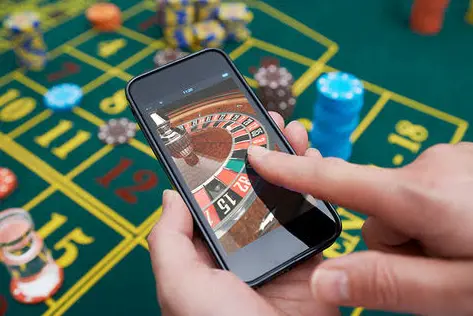
Why the Bonus Buy Room Feels Rigged (It Isn't—It's Just Brutal)
Every week some tilted player posts a screenshot of five dead bonus buys in a row and screams scam. I get the frustration, but the math does not care about your feelings. A ten-spin round with expanding symbols has a massive tail risk: the vast majority of buys return less than the purchase price, a slim middle band returns roughly break-even, and a tiny sliver of outcomes delivers the multi-thousand-x explosions that fuel the highlight reels. That distribution is the entire point of Book of Dead Bonus Buy Rooms. The volatility is the product. If you cannot stomach a sequence of ten consecutive losing buys—and statistically, you absolutely can hit that streak—then this feature is not for you, period.
Expanding Symbol Weights and the Illusion of Control
Here is the technical detail the streamers never explain. During the free spins round, one symbol is chosen at random as the expanding symbol before the round begins, and that selection is weighted. Lower-paying symbols expand with greater frequency than the premium characters. So when you buy in, you are rolling a hidden dice that determines whether your round has a realistic ceiling or a hard cap. A round locked to the ten or jack expanding is functionally dead on arrival. A round locked to the book or Osiris is a live grenade with a beautiful blast radius. This weighted selection is the single most important variable in the entire bonus buy equation, and it is the reason two players can buy the identical round and walk away with wildly different results. 💀
Bankroll Architecture for Bonus Buy Grinding
If you insist on buying into these rooms, you need a bankroll model that respects the variance curve. I run a simple rule: your buy-in budget must be at least forty times the cost of a single feature purchase. That means if the buy costs twenty currency units, you need eight hundred set aside purely for buys, separate from any base game play. This is not conservative nonsense—it is survival math derived from the standard deviation of the feature's payout distribution. Players who buy in with a five-buy budget are not gambling, they are donating. The rooms are engineered so that short samples almost always favor the house, and only a properly funded grind gives the return-to-player statistic any chance to converge.
Volatility Tiers and Room Configuration Traps
Not every bonus buy room is configured identically, and this is where operators quietly shift the odds. Some rooms run the standard high-volatility profile with the classic 96 percent return. Others dial the return down a notch and crank the variance even higher to chase headline jackpot screenshots for their promotional material. Before you commit a single buy, check the published return figure and the max win cap. A room advertising a monstrous maximum payout with a throttled base return is a trap dressed in gold. ⚠️ The expanding symbol round is thrilling, no question, but thrill is not edge, and anyone telling you otherwise is selling something.
The Ten-Spin Cliff and Dead Spin Frequency
Run the numbers on a thousand simulated buys and the pattern is unmistakable: roughly half of all purchased rounds deliver a return below thirty percent of the buy cost, a meaningful chunk land in the dead zone where zero expanding symbols connect, and the profitable outcomes cluster in a narrow band that only reveals itself across hundreds of iterations. The ten-spin structure amplifies this because you have so few chances to connect the expanding symbol with a winning line. Fewer spins mean fatter tails, and fatter tails mean your session graph looks like a heart monitor in a horror film. That is the mechanical truth of the buy feature, and no amount of wishful thinking changes the reel weights.
When the Buy Feature Actually Makes Sense
There is exactly one scenario where purchasing the round is defensible: you have a dedicated feature budget, you understand the weighted symbol selection, and you are chasing the tail outcome with money you have already written off. In that narrow frame, the buy feature is a legitimate tool for converting a long base game grind into a concentrated shot at the premium payout. Outside that frame, it is an expensive shortcut to the same variance you could have accessed for free. The room does not care which camp you fall into. The reels spin, the book opens or it does not, and the expanding symbol lands where the weighted randomizer sends it—every single time.